Hi, message us with any questions.
We're happy to help!





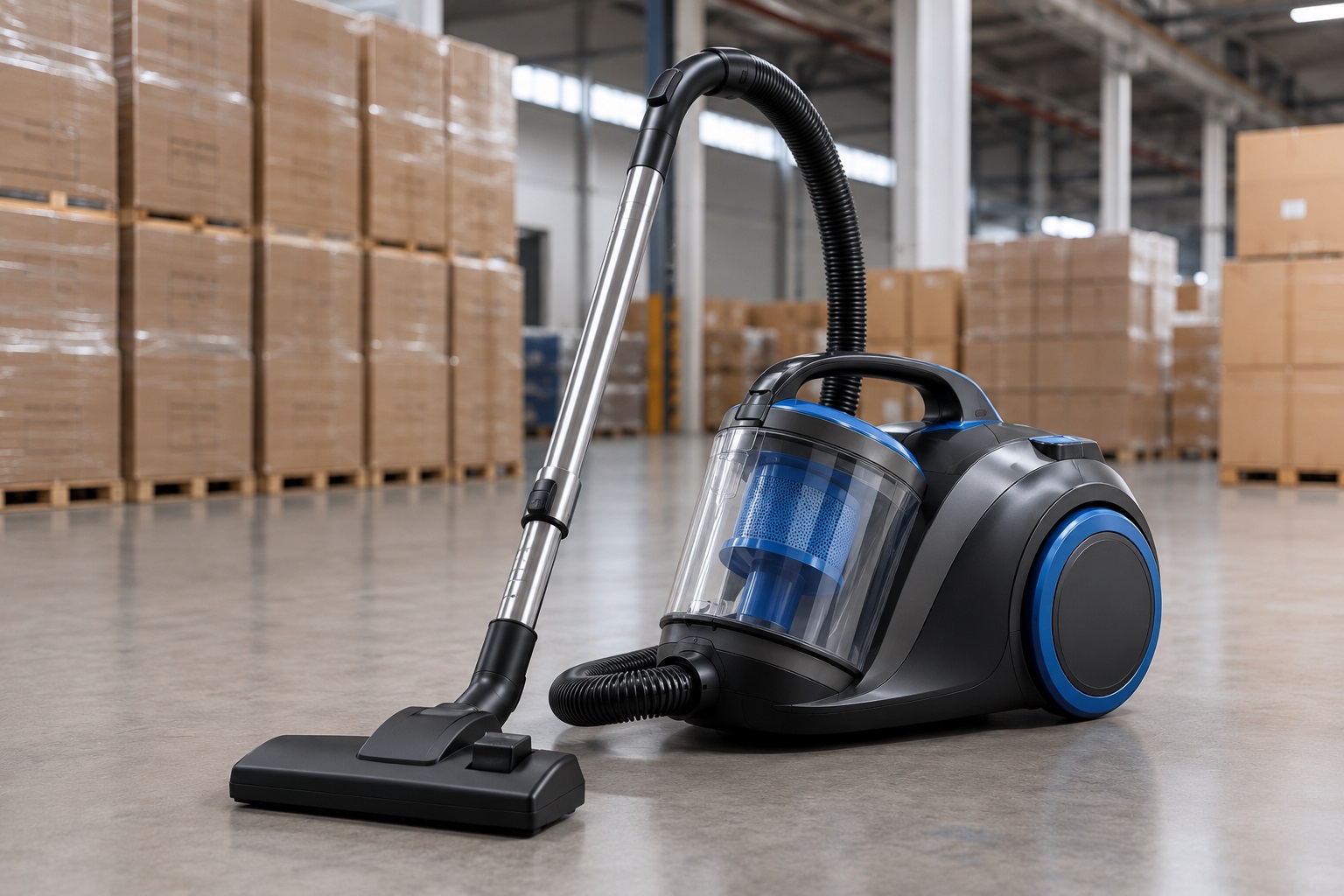
Why Most Vacuum Cleaner Suppliers Still Destroy Their Own Distributor Networks
For years, many vacuum cleaner factories believed one simple rule:
Lower prices create more orders.
At first, this strategy appears effective.
Distributors respond quickly.
Inquiry volume increases.
Trial orders arrive faster.
But over time, many OEM suppliers discover a painful reality:
aggressive low pricing often destroys long-term distributor ecosystems.
After years of working with international distributors, many OEM factories eventually realize that unstable pricing damages channel trust faster than poor marketing.
This is one of the biggest hidden problems in today’s global vacuum cleaner industry.
Because modern distributors are no longer looking for:
the cheapest supplier,
the lowest quotation,
or temporary discounts.
Instead, they increasingly prioritize:
sustainable margins,
operational reliability,
pricing integrity,
warranty stability,
and long-term business survivability.
For every vacuum cleaner supplier and wholesale vacuum factory, the future of successful global expansion is no longer built on cheap pricing.
It is built on:
sustainable distributor profitability.
That is the real foundation of modern B2B vacuum pricing strategy.
📊 The Global Vacuum Industry Is Entering a Margin Compression Era
According to multiple appliance industry reports, the global vacuum cleaner market is projected to continue strong growth throughout the next decade due to:
smart home expansion,
hygiene awareness,
cordless technology adoption,
sustainability demand,
and commercial cleaning growth.
However, behind this growth lies a major hidden challenge:
distributor margins are shrinking globally.
Today’s distributors face increasing pressure from:
Amazon price transparency,
eCommerce competition,
rising logistics costs,
customer acquisition expenses,
and after-sales servicing costs.
One European distributor reportedly noted that warranty-related servicing costs became one of the fastest-growing operational expenses over the past several years.
This is changing distributor behavior dramatically.
Many buyers now evaluate suppliers based on:
long-term profitability,
return rates,
warranty stability,
spare parts continuity,
and channel protection.
This is fundamentally reshaping the logic behind:
pricing strategy B2B vacuum systems.
🚨 Why Cheap Pricing Often Creates Expensive Problems
Many factories still compete aggressively through:
lower quotations,
price wars,
and short-term discounting.
At first glance, this seems effective.
But experienced distributors increasingly understand:
cheap products often create expensive operational problems.
⚠️ The Hidden Costs of Low-Priced Vacuum Cleaners
Many low-cost vacuum products generate:
unstable product quality,
inconsistent components,
battery lifespan problems,
weak packaging durability,
high customer return rates,
and expensive servicing issues.
One distributor in Eastern Europe reportedly lost several retail partnerships after repeated cordless vacuum battery failures damaged customer trust.
Although the original factory pricing looked competitive, the long-term financial damage became far more expensive.
This reflects a critical industry reality:
low pricing can destroy distributor profitability.
And once distributors lose:
retailer trust,
consumer confidence,
or servicing stability,
recovery becomes extremely difficult.
🧠 The Smartest B2B Vacuum Pricing Strategy in 2026
The most successful OEM suppliers no longer ask:
“How can we become cheaper?”
Instead, they ask:
“How can distributors build profitable long-term businesses using our products?”
This is a completely different business philosophy.
And it is becoming one of the strongest competitive advantages in the international vacuum industry.
🔍 The B2B Vacuum Pricing Maturity Model
The global vacuum cleaner market is gradually shifting toward more advanced pricing ecosystems.
| Pricing Level | Typical Strategy | Long-Term Result |
|---|---|---|
| Low-End | Price wars | Margin collapse |
| Basic OEM | Cost-plus pricing | Weak loyalty |
| Mid-Level | Margin protection | Stable distributors |
| Advanced OEM | Ecosystem pricing | Long-term partnerships |
| Premium Strategy | Lifecycle profitability | Sustainable global growth |
Most factories remain trapped in the first two levels.
But the highest-performing suppliers increasingly focus on:
distributor ecosystem sustainability.
🎯 Strategy 1: Shift from Cost-Based Pricing to Value-Based Pricing
Many factories still calculate export pricing using:
production cost
target margin
= selling price
This traditional model is becoming outdated.
Modern distributors increasingly evaluate products based on:
resale profitability,
operational stability,
customer retention,
and long-term market positioning.
For example:
Dyson successfully built premium pricing power not by offering cheap products —
but through:
innovation,
industrial design,
user experience,
and strong premium positioning.
This demonstrates a critical principle:
value perception creates pricing power.
For OEM vacuum suppliers, this means:
stronger branding,
eco-friendly packaging,
better product differentiation,
and stable servicing systems
can justify healthier pricing structures.
📦 Strategy 2: Build Distributor-Friendly Bulk Pricing Systems
A strong bulk pricing strategy should encourage:
long-term purchasing,
inventory stability,
and distributor expansion confidence.
However, many factories still rely on:
random discounts,
inconsistent quotations,
or short-term promotions.
This creates pricing chaos.
Experienced distributors increasingly prefer:
predictable pricing systems,
annual rebate programs,
tiered volume incentives,
and channel stability.
Example of Smart Distributor Pricing Structure
| Distributor Stage | Recommended Pricing Support |
|---|---|
| Market Entry | Flexible MOQ support |
| Growth Phase | Margin optimization |
| Regional Expansion | Territory protection |
| Strategic Partnership | Annual rebate systems |
This structure supports:
long-term distributor survivability.
🌍 Strategy 3: Localize Pricing for Different Markets
One of the biggest pricing mistakes exporters make is:
using identical pricing logic globally.
Different regions prioritize completely different business factors.
| Market | Pricing Logic |
|---|---|
| Europe | Sustainability + lifecycle value |
| North America | Branding + retail positioning |
| Southeast Asia | Inventory turnover + margins |
| Commercial Sector | Operational efficiency |
For example:
Kärcher expanded globally not only through product quality —
but through strong commercial ecosystem support including:
servicing infrastructure,
spare parts continuity,
and professional cleaning solutions.
Localization is becoming more important than low pricing itself.
🔧 Strategy 4: Protect Distributor Margins Through Channel Stability
One of the biggest fears among international distributors is:
becoming replaceable.
Many factories unintentionally destroy distributor trust by:
oversupplying markets,
undercutting distributors online,
or constantly lowering export prices.
This creates severe:
channel conflict,
pricing instability,
and margin erosion.
Successful OEM suppliers increasingly focus on:
MAP pricing strategies,
channel protection,
territory management,
and pricing integrity.
This helps distributors:
invest confidently,
build retail partnerships,
and scale local branding sustainably.
🏭 Strategy 5: Turn Operational Reliability into Premium Pricing Power
Premium pricing is no longer created only through branding.
Today, distributors increasingly pay more for suppliers capable of providing:
quality consistency,
stable spare parts supply,
warranty cooperation,
compliance reliability,
and operational stability.
One sourcing manager reportedly stated:
“The cheapest supplier often becomes the most expensive supplier after warranty failures begin.”
This statement perfectly reflects the future of:
pricing strategy B2B vacuum markets.
Operational reliability itself is becoming:
a premium business asset.
📈 Why Commercial Vacuum Systems Require Different Pricing Logic
Many factories still use residential pricing logic for commercial vacuum systems.
This is a major strategic mistake.
Commercial buyers increasingly evaluate:
machine lifespan,
maintenance simplicity,
servicing downtime,
energy efficiency,
and total ownership cost.
According to multiple facility management industry reports, commercial cleaning demand continues growing alongside:
healthcare hygiene standards,
ESG procurement policies,
and smart building management expansion.
Commercial procurement teams increasingly care more about:
operational continuity
than cheap purchase pricing.
This creates strong opportunities for:
premium commercial systems,
sustainable cleaning equipment,
and lifecycle-based pricing models.
⚠️ The 7 Biggest Pricing Mistakes Vacuum Suppliers Still Make
❌ Constant Price Wars
Destroy long-term margins and distributor trust.
❌ Weak Channel Protection
Creates severe distributor insecurity.
❌ Ignoring Warranty Costs
Cheap products often create expensive after-sales damage.
❌ Generic Global Pricing
Different markets require different pricing logic.
❌ Weak Spare Parts Systems
Increases distributor operational risk.
❌ Inconsistent Quotations
Frequent pricing changes damage credibility.
❌ No Long-Term Pricing Vision
Many suppliers still focus only on short-term orders.
🔮 Future Trends in B2B Vacuum Pricing
Over the next decade, successful B2B vacuum pricing systems will increasingly focus on:
lifecycle profitability,
operational reliability,
ESG value positioning,
distributor ecosystem stability,
smart technology integration,
and pricing integrity.
The future belongs to suppliers that understand:
low pricing creates transactions.
sustainable profitability creates partnerships.
✅ Final Thoughts
Successful pricing strategy B2B vacuum systems are no longer about offering the cheapest factory quotation.
For every vacuum cleaner supplier and wholesale vacuum factory, the real challenge is:
“How can distributors build stable, profitable, long-term businesses using our products?”
Because modern global markets increasingly reward:
reliability,
operational stability,
pricing consistency,
localization,
and long-term partnership thinking.
The suppliers that understand this shift early will become the next generation of global vacuum cleaner leaders.
👥 Suitable Readers
Vacuum cleaner distributors
OEM vacuum suppliers
Wholesale vacuum factories
Commercial cleaning equipment buyers
International procurement managers
Private label vacuum brands
Cleaning equipment entrepreneurs
Global distribution companies
Hashtags
B2Bvacuumpricing, pricingstrategyB2Bvacuum, vacuumcleanersupplier, wholesalevacuumfactory, bulkpricingstrategy, distributorpricing, OEMvacuumsupplier, vacuumpricingmodel, commercialvacuumsystems, internationalvacuumbusiness, vacuumcleanerOEM, distributorprofitability, wholesalecleaningequipment, vacuumindustrypricing, vacuumexportbusiness, pricingstrategy2026, sustainablepricingmodel, premiumvacuumstrategy, channelprotection, distributorpartnership, smartpricingstrategy, commercialcleaningequipment, vacuummarketcompetition, OEMpricingstrategy, globalvacuumindustry, cleaningequipmentfactory, lifecyclepricing, energysavingvacuum, vacuumdistribution, privateLabelvacuumcleaner, vacuumdealerstrategy, internationalprocurement, warrantycostmanagement, sparepartssupply, vacuumpricingframework, vacuumcleanerbranding, ESGcleaningproducts, cleaningtechnologyinnovation, vacuumretailstrategy, marketpositioning, operationalreliability, distributorloyalty, vacuumfactorystrategy, commercialcleaningsolutions, smartcleaningequipment, globaldistributionnetwork, pricingpowervacuum, vacuumsourcingstrategy, Lanxstar, futureofB2Bpricing



