Hi, message us with any questions.
We're happy to help!





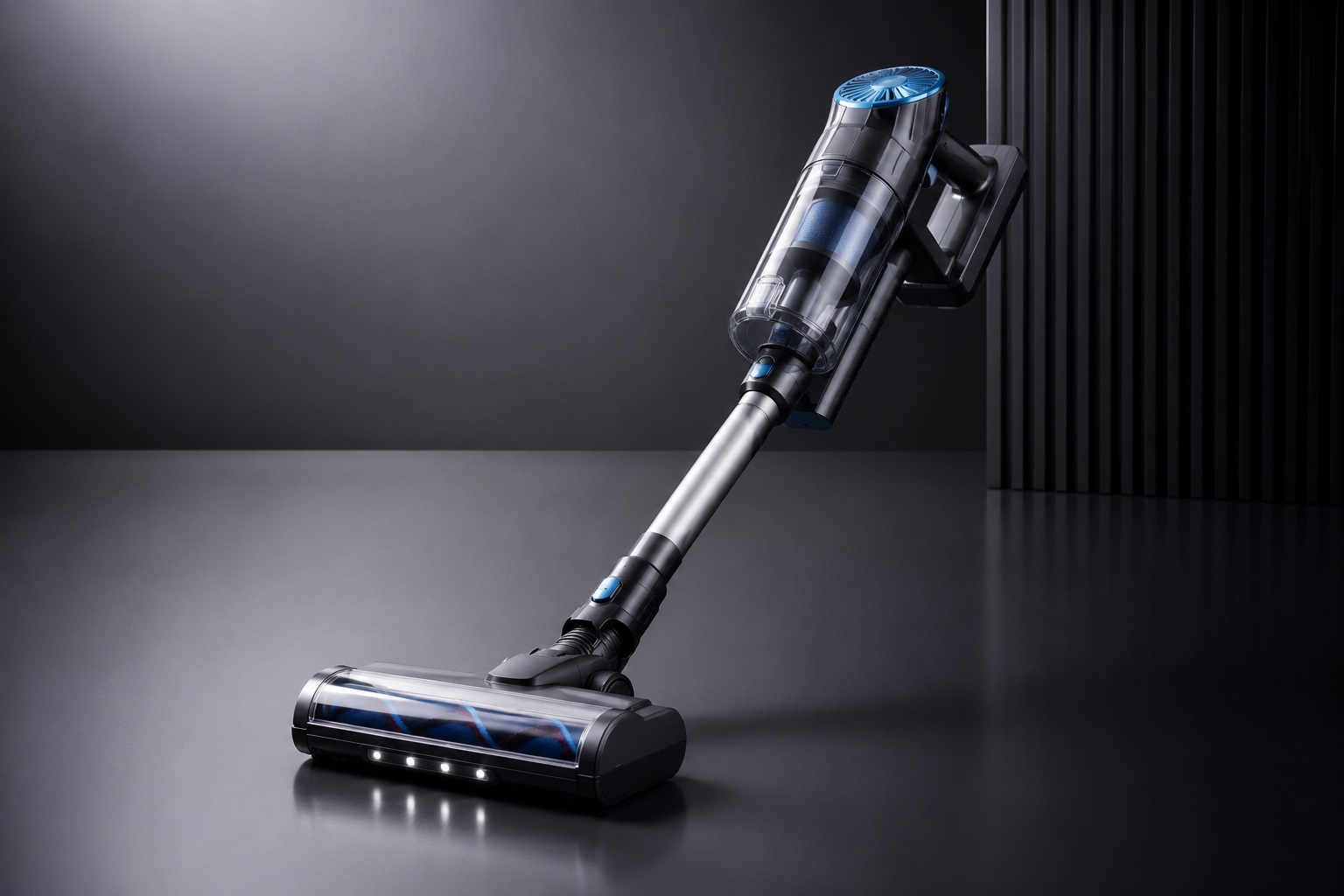
Why Most Vacuum Cleaner Brands Fail Before They Ever Scale
Every year, hundreds of vacuum cleaner factories and OEM suppliers attempt international expansion.
Most fail.
Not because the products are poor.
Not because the market lacks demand.
But because they misunderstand one critical reality:
Modern global expansion is no longer about exporting products.
It is about building distributor ecosystems.
Today, successful vacuum cleaner market entry requires much more than:
low pricing,
manufacturing capacity,
or basic OEM production.
To successfully enter new vacuum market opportunities in 2026 and beyond, suppliers must understand:
distributor psychology,
localization strategy,
compliance systems,
after-sales infrastructure,
sustainability positioning,
and long-term trust building.
For every vacuum cleaner exporter and OEM vacuum supplier, the future of international expansion is no longer determined by factory size alone.
It is determined by:
market adaptability.
📊 The Global Vacuum Cleaner Industry Is Entering a New Competitive Era
According to multiple global appliance market reports, the international vacuum cleaner industry is projected to continue strong growth over the next decade, driven by:
smart home adoption,
rising hygiene awareness,
cordless technology innovation,
sustainability demand,
and commercial cleaning expansion.
However, competition is becoming dramatically more aggressive.
Today’s distributors receive OEM proposals daily from:
Chinese manufacturers,
Turkish exporters,
European premium brands,
Southeast Asian factories,
and emerging private label suppliers.
This creates a major problem:
Manufacturing is becoming easier.
Building international trust is becoming harder.
Many factories still believe:
“The cheapest supplier wins.”
But experienced international distributors increasingly prioritize:
supply chain stability,
warranty reliability,
spare parts continuity,
compliance credibility,
and long-term partnership security.
This is why many low-cost suppliers fail to scale internationally despite attractive pricing.
🚨 The Biggest Mistake in Vacuum Cleaner Market Entry
The single biggest expansion mistake most suppliers make is:
trying to use the same strategy in every country.
This almost never works.
Different regions operate with completely different procurement logic.
🇪🇺 Europe Prioritizes Sustainability, Repairability & Compliance
European distributors increasingly focus on:
ESG positioning,
energy efficiency,
repairability,
recyclable materials,
low-noise systems,
and sustainability reporting.
For many European buyers:
compliance credibility matters more than pricing.
This is especially visible after the EU Green Deal and Right-to-Repair movement accelerated across Europe.
According to European Commission sustainability initiatives, appliance manufacturers face increasing pressure to reduce energy consumption and electronic waste.
As a result, distributors increasingly evaluate:
spare parts continuity,
battery replaceability,
repair-friendly structures,
and packaging sustainability.
One Western European distributor reportedly rejected several low-cost vacuum suppliers after discovering replacement battery systems could not be guaranteed long-term.
This reflects a major market shift:
reliability is becoming part of sustainability.
🇺🇸 North America Prioritizes Branding & Consumer Experience
The U.S. market behaves very differently.
American buyers focus heavily on:
branding,
retail presentation,
online reviews,
warranty systems,
and customer experience.
For example, SharkNinja gained significant market share in North America not simply through pricing, but through:
aggressive digital marketing,
strong retail positioning,
and consumer-focused product design.
Meanwhile, Dyson successfully positioned itself as a premium technology-driven brand by combining:
innovation,
industrial design,
and premium user experience.
Many vacuum cleaner exporters fail in North America because they underestimate:
Amazon competition,
retail packaging standards,
customer support expectations,
and localized marketing requirements.
Strong products alone are no longer enough.
🌏 Emerging Markets Prioritize Distribution Speed & Dealer Relationships
In Southeast Asia, the Middle East, and parts of South America, distributors often prioritize:
inventory turnover speed,
pricing flexibility,
dealer margins,
and supply responsiveness.
However, one overlooked reality is:
local relationships still dominate these markets.
Many exporters fail because they:
ignore regional distributor culture,
underestimate local dealer influence,
or lack localized operational support.
Global expansion without localization is becoming increasingly difficult.
🔍 Why Many Vacuum Cleaner Exporters Fail Overseas
Many OEM factories still believe:
“If the product is good enough, distributors will naturally come.”
This is outdated thinking.
International expansion usually fails because of operational weaknesses rather than product quality itself.
⚠️ The 7 Biggest Vacuum Market Entry Mistakes
❌ 1. No Clear Market Positioning
Many suppliers enter overseas markets without defining:
premium or budget?
residential or commercial?
eco-focused or value-focused?
smart appliance or traditional appliance?
This creates weak distributor confidence.
Modern buyers avoid unclear brands because unclear positioning creates retail risk.
❌ 2. Competing Only on Price
This is one of the fastest ways to destroy long-term profitability.
Cheap pricing may generate:
inquiries,
trial orders,
and temporary attention.
But it rarely builds:
distributor loyalty,
sustainable margins,
or long-term market trust.
In many mature markets, extremely low pricing actually reduces credibility.
One European importer reportedly noted:
“If pricing is unrealistically low, buyers immediately worry about quality consistency and future servicing risks.”
❌ 3. Weak Compliance Preparation
Many exporters still underestimate compliance complexity.
Experienced distributors increasingly request:
CE reports,
RoHS documentation,
battery testing,
sustainability certifications,
and material traceability systems.
Factories without strong compliance systems often lose distributor confidence very early in negotiations.
❌ 4. Ignoring Spare Parts Infrastructure
This is one of the biggest hidden problems in the international vacuum business.
Many distributors now evaluate:
motor replacement continuity,
battery availability,
filter inventory systems,
and servicing infrastructure
before discussing pricing.
One Eastern European distributor reportedly switched suppliers after repeated warranty complaints caused by unstable battery quality and poor spare parts support.
This demonstrates a critical reality:
spare parts reliability directly affects distributor survival.
❌ 5. Generic OEM Strategy
Many OEM vacuum suppliers still offer:
identical products,
identical packaging,
and identical product structures.
This creates zero market differentiation.
Modern distributors increasingly demand:
localized branding,
eco-friendly packaging,
custom accessories,
exclusive designs,
and regional positioning support.
The era of generic OEM manufacturing is fading rapidly.
❌ 6. Weak After-Sales Support
Many suppliers focus heavily on:
pre-sales communication,
aggressive quotations,
and fast order conversion.
But disappear after shipment.
This destroys distributor trust extremely quickly.
Today’s international buyers increasingly expect:
technical training,
spare parts planning,
warranty cooperation,
and long-term communication stability.
After-sales capability is becoming part of brand value itself.
❌ 7. Expanding Into Too Many Markets Simultaneously
This is one of the most dangerous exporter mistakes.
Many factories attempt expansion into:
Europe,
North America,
Southeast Asia,
and South America
all at once.
The result is often:
operational chaos,
weak distributor relationships,
unstable inventory systems,
inconsistent branding,
and diluted resources.
Successful international expansion usually happens:
one strategic market at a time.
🧠 The Smartest Market Entry Strategy in 2026
The most successful vacuum cleaner exporters rarely try to “sell everywhere.”
Instead, they focus on:
dominating one strategic niche first.
This creates:
stronger distributor trust,
clearer positioning,
more stable supply chains,
and stronger market reputation.
For example, some OEM vacuum suppliers successfully expanded into Northern Europe by focusing specifically on:
sustainable packaging,
low-noise systems,
modular repairability,
and ESG-aligned branding.
They succeeded not because they offered the cheapest pricing —
but because they aligned with distributor business priorities.
This is a massive shift in international OEM strategy.
📦 What Distributors REALLY Want from OEM Vacuum Suppliers
Experienced distributors increasingly evaluate suppliers using a much broader framework.
| Distributor Concern | What They Actually Want |
|---|---|
| Long-term stability | Reliable production continuity |
| Customer retention | Spare parts availability |
| Market differentiation | Product innovation |
| Warranty risk | Consistent quality control |
| Retail competitiveness | Packaging & branding support |
| ESG pressure | Sustainable manufacturing |
| Profitability | Long product lifecycle |
This explains why some medium-priced suppliers outperform cheaper competitors globally.
Because distributors increasingly prioritize:
operational reliability over low pricing.
🏭 Why Localization Is Becoming More Important Than Manufacturing
One of the biggest shifts in the international vacuum business is localization.
Distributors increasingly prefer suppliers capable of providing:
multilingual manuals,
market-specific packaging,
localized voltage systems,
compliance adaptation,
and regional branding support.
In other words:
Modern distributors no longer want “factory products.”
They want:
market-ready business solutions.
This is the future of global OEM competition.
📈 Hidden Opportunity: Commercial Vacuum Systems
One major growth opportunity many exporters still underestimate is commercial cleaning equipment.
According to multiple facility management industry reports, commercial cleaning demand continues rising due to:
healthcare hygiene standards,
hospitality recovery,
ESG procurement,
and smart building management expansion.
Commercial buyers increasingly prioritize:
durability,
maintenance simplicity,
energy efficiency,
and long-term servicing capability.
This creates strong opportunities for suppliers specializing in:
industrial vacuum systems,
smart cleaning equipment,
and sustainable commercial cleaning solutions.
Many exporters focusing only on residential products are missing this rapidly growing segment.
🔮 Future Trends in Global Vacuum Market Expansion
Over the next decade, successful market expansion will increasingly depend on:
localization strategy,
distributor ecosystem building,
sustainability positioning,
smart technology integration,
aftermarket support,
and operational intelligence.
The future belongs to suppliers that understand:
exporting products is easy.
building international distributor trust is difficult.
✅ Final Thoughts
Successful vacuum cleaner market entry requires much more than manufacturing capability.
For every vacuum cleaner exporter and OEM vacuum supplier, the real challenge is no longer:
“How can we ship products overseas?”
The real challenge is:
“How can we build sustainable distributor ecosystems in highly competitive global markets?”
Because modern international expansion is no longer driven only by:
pricing,
factory scale,
or production speed.
It is increasingly driven by:
trust,
localization,
compliance,
after-sales capability,
and long-term business value.
The companies that understand this shift early will become the next generation of global vacuum cleaner leaders.
👥 Suitable Readers
Vacuum cleaner exporters
OEM vacuum suppliers
International distributors
Cleaning equipment entrepreneurs
B2B procurement managers
Private label vacuum brands
Global sourcing companies
Vacuum cleaner industry investors
Hashtags
vacuumcleanermarketentry, enternewvacuummarket, vacuumcleanerexporter, OEMvacuumsupplier, internationalvacuumbusiness, distributorexpansion, globalvacuummarket, vacuumcleanerOEM, privatelabelvacuumcleaner, vacuumcleanerdistributor, commercialvacuumsystems, sustainablecleaningequipment, smartvacuumtechnology, B2Bvacuumsupplier, vacuumcleanerfactory, internationalcleaningbusiness, vacuumindustrytrends, globaldistributionstrategy, cleaningequipmentexporter, OEMmanufacturing, vacuumcleanerbranding, aftermarketservice, sparepartssupply, energysavingvacuum, Europeanvacuummarket, NorthAmericanretail, commercialcleaningindustry, industrialvacuumcleaner, cordlessvacuumtechnology, vacuumsourcingstrategy, facilitymanagementsolutions, distributorpartnership, vacuumproductlocalization, exportbusinessstrategy, cleaningtechnologyinnovation, OEMprivateLabel, vacuumcleanercompliance, CEcertification, ESGcleaningproducts, retailreadypackaging, smartcleaningsolutions, internationalprocurement, vacuummarketgrowth, cleaningequipmentOEM, vacuumcleanerstartup, globalsupplychain, sustainablevacuumsystems, commercialcleaningequipment, Lanxstar, futureofvacuumbusiness



