Hi, message us with any questions.
We're happy to help!





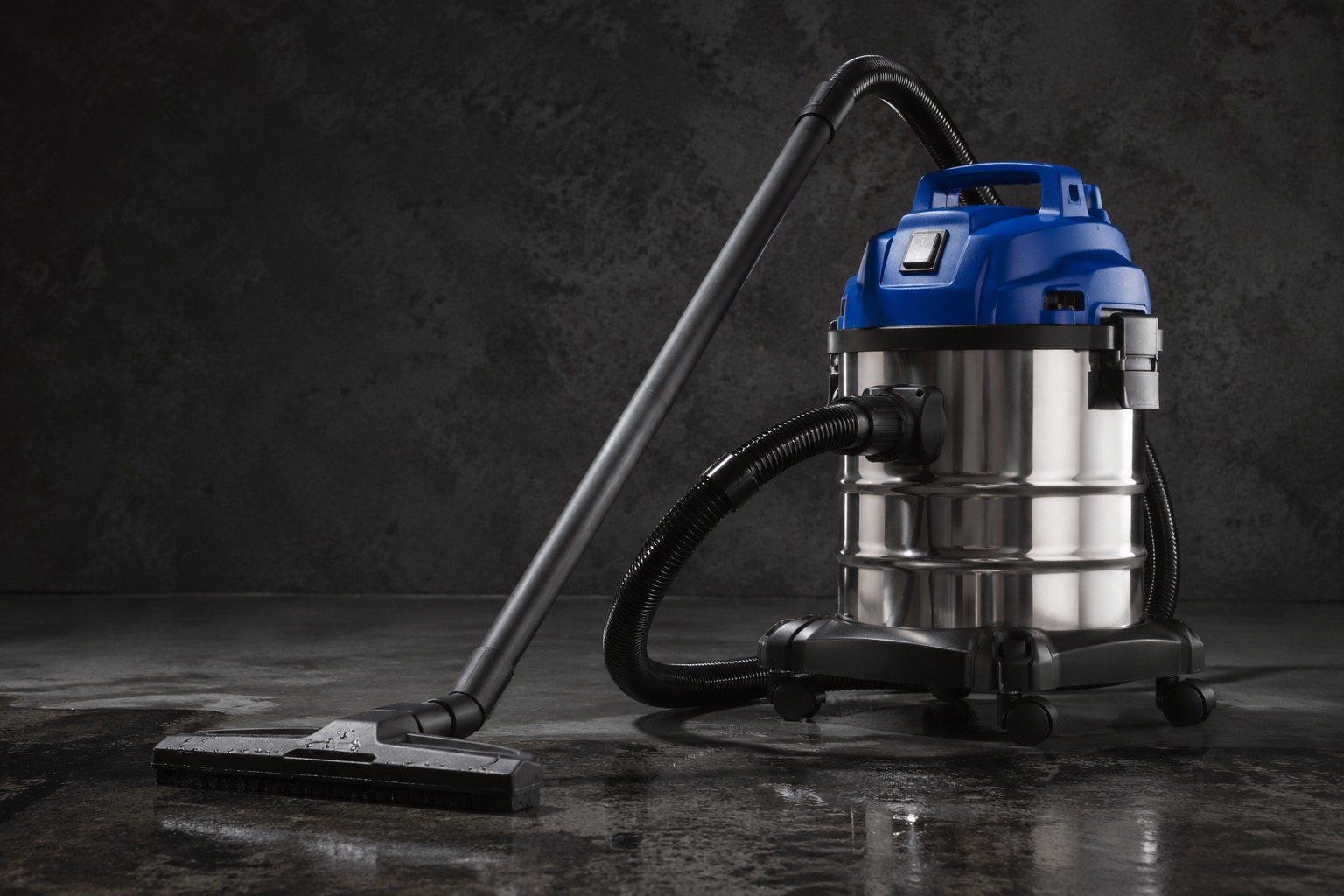
Suitable Readers: Global vacuum cleaner buyers, importers, wholesalers, distributors, retailers, commercial cleaning companies, facility managers, industrial equipment procurement teams, private-label buyers, and vacuum cleaner R&D engineers.
SEO Title: Y1 Wet Dry Vacuum Cleaner Suction Power: Airflow, Pressure & Watts | Lanxstar
SEO Keywords: wet dry vacuum cleaner, suction power, airflow, vacuum pressure, industrial vacuum
Meta Description: Understand Y1 wet dry vacuum cleaner suction power through airflow, vacuum pressure and watts. A practical guide for industrial and commercial vacuum buyers.
Article Summary:
Suction power is one of the most important specifications when evaluating a wet dry vacuum cleaner, but watts alone cannot describe cleaning performance. This guide explains airflow, vacuum pressure, motor power and their relationship, helping buyers compare Y1 vacuum cleaners for commercial, industrial and professional cleaning applications.
Pseudo-Static Title:y1-wet-dry-vacuum-cleaner-suction-power-airflow-pressure-watts.html
1. Why Wet Dry Vacuum Cleaner Suction Power Is Often Misunderstood
When sourcing a wet dry vacuum cleaner, buyers frequently start with one number: motor watts. A machine rated at a higher wattage may appear more powerful, leading purchasers to assume that it automatically provides stronger suction.
In practice, vacuum performance is more complicated.
A professional vacuum cleaner is a complete airflow system consisting of the motor, fan, air passages, hose, filtration system, tank and cleaning accessories. Airflow, vacuum pressure and motor input power must therefore be considered together.
For procurement professionals comparing the Y1 Wet Dry Vacuum Cleaner, understanding these parameters makes it easier to determine whether a machine fits applications such as warehouse cleaning, workshops, hotels, retail facilities, garages and general commercial cleaning.
For an industrial vacuum cleaner supplier or distributor, this knowledge is equally valuable because specifications need to be translated into benefits that customers can understand.
🧹 The key principle: watts tell you about electrical input, while airflow and vacuum pressure help describe what the vacuum actually does with that power.
2. What Is Airflow in a Wet Dry Vacuum Cleaner?
Airflow describes the volume of air moving through the vacuum cleaner over a given period. Depending on the market and test method, manufacturers may express airflow in:
L/s — liters per second
L/min — liters per minute
m³/h — cubic meters per hour
CFM — cubic feet per minute
Airflow matters because moving air carries dust, dirt, debris and other particles from the cleaning surface through the hose and into the collection tank.
Imagine cleaning a warehouse floor covered with light dust, wood shavings or packaging debris. Once material is loosened from the surface, sufficient airflow helps transport it efficiently through the cleaning system.
This makes airflow particularly relevant when evaluating warehouse cleaning solutions, factory floor cleaning equipment and a wet dry vacuum cleaner for construction site applications.
When Is Higher Airflow Useful?
Higher airflow can be particularly beneficial when collecting:
Fine and loose surface dust
Sawdust
Wood shavings
Packaging fragments
Light workshop debris
Dry dirt across larger floor areas
However, the highest airflow figure does not automatically identify the best industrial vacuum cleaner.
Hose diameter, filtration resistance, floor-tool design and actual airflow under operating conditions can substantially affect real-world cleaning performance.
3. What Is Vacuum Pressure?
Vacuum pressure describes the pressure difference a vacuum cleaner can create.
It may be presented as:
Pa, kPa, mbar, mmH₂O or similar pressure units.
Where airflow describes how much air is moving, vacuum pressure helps indicate how strongly the system can pull against resistance.
💨 A simple way to remember the distinction is:
Airflow = movement.
Vacuum pressure = pulling capability.
This becomes important when debris is lodged in cracks, when a cleaning tool forms closer contact with a surface, or when material must travel through a hose against greater resistance.
For example, a car detailing vacuum cleaner may need useful vacuum pressure for dirt trapped around seat rails and narrow crevices. A construction application may involve heavier debris where maintaining suction against resistance becomes important.
A properly engineered High Suction Vacuum Cleaner therefore needs an effective balance rather than an impressive isolated specification.
4. Airflow vs Vacuum Pressure: Which Is More Important?
Neither measurement should be evaluated alone.
Consider two simplified cleaning situations.
Scenario A: Large Warehouse Floor 📦
A logistics warehouse has extensive flooring covered primarily with loose dust, labels, paper fragments and packaging debris.
Good airflow becomes particularly valuable because the vacuum needs to move significant volumes of loose material efficiently.
This is why buyers searching for an industrial wet and dry vacuum cleaner for warehouse cleaning supplier should examine airflow alongside floor-tool width, hose design, filtration and tank capacity.
Scenario B: Workshop and Construction Cleaning 🏗️
A contractor needs to remove debris from corners, equipment surfaces, gaps and confined areas.
Here, vacuum pressure becomes increasingly important because the machine must maintain useful suction when resistance increases.
The correct conclusion is not that pressure is better than airflow—or vice versa.
Effective cleaning requires a balanced relationship between airflow and vacuum pressure.
For professional buyers, comparable test conditions are therefore much more useful than simply selecting whichever catalogue displays the largest number.
5. Do More Watts Mean More Suction Power?
Not necessarily.
Watts generally indicate electrical power consumption or motor input power. They do not directly tell a buyer how much useful suction reaches the cleaning nozzle.
Two vacuum cleaners with similar rated wattage can perform differently because of variations in:
Motor efficiency
Fan design
Internal air-path geometry
Hose diameter and length
Sealing
Filter resistance
Dust loading
Cleaning-head design
Accessory configuration
This distinction is increasingly important when evaluating an energy efficient vacuum cleaner.
Suppose Vacuum A consumes more electrical power than Vacuum B, but Vacuum B has a more efficient motor and optimized airflow path. Vacuum B could potentially deliver competitive practical cleaning performance while consuming less electricity.
⚡ For commercial procurement, wattage should therefore be treated as one specification—not as a universal suction-performance score.
This matters particularly for hotels, hospitals, offices and facility management cleaning equipment, where machines may operate for many hours and energy consumption contributes to total operating cost.
6. How These Three Factors Work Together in the Y1 Wet Dry Vacuum Cleaner
The Y1 should be evaluated as a complete cleaning system rather than simply by its motor rating.
A useful assessment considers three dimensions:
Motor input → airflow generation → pressure generation → practical pickup performance.
When evaluating the Y1 or comparing it with another commercial grade vacuum cleaner, procurement teams should request specifications obtained under defined test conditions.
The key questions include:
What is the rated motor input?
This provides information about electrical requirements and supports energy-consumption comparisons.
What is the maximum airflow?
This helps buyers evaluate the machine's air-moving capability.
What is the maximum vacuum pressure?
This indicates the pressure differential the vacuum system can generate.
Where were the measurements taken?
Motor-level figures and complete-machine figures may not be directly comparable.
Were the products tested using comparable methods?
A fair purchasing decision requires like-for-like data.
For a vacuum cleaner manufacturer serving international markets, clearly documenting these conditions makes specifications much more meaningful.
7. Wet Pickup Adds Another Layer to Suction Performance
A wet and dry vacuum cleaner has to handle something a conventional dry vacuum does not: liquid pickup.
That changes the engineering requirements.
When collecting spills, the vacuum must maintain sufficient airflow while safely separating collected liquid from the motor system. Tank capacity, float protection, seals, hose geometry and internal structure all become relevant.
💧 For this reason, buyers evaluating a Large-Capacity Wet Dry Vacuum Cleaner should not focus exclusively on maximum suction figures.
Ask additional questions:
How much usable liquid can the tank hold?
How does the machine protect the motor when the liquid reaches its limit?
How easily can operators empty the tank?
Does the machine provide drainage where applicable?
How does suction performance behave during normal wet pickup?
A large nominal tank offers limited operational benefit if emptying it is difficult or if the complete machine becomes inconvenient to move.
8. Case Study: Choosing a Y1-Type Vacuum for Warehouse Cleaning
Consider a hypothetical European distributor sourcing vacuum cleaners for logistics customers.
One customer operates a distribution warehouse where workers need to clean loading zones, shelving areas and maintenance spaces. Typical debris includes dust, cardboard particles, small packaging fragments and occasional liquid spills.
The distributor initially compares products by watts.
After reviewing the actual application, the procurement team changes its evaluation criteria. It considers airflow, vacuum pressure, wet/dry capability, tank design, mobility, hose configuration, noise, filtration and service requirements together.
For large areas with loose debris, airflow becomes a priority. For corners and maintenance areas, adequate vacuum pressure remains important. Wet pickup provides flexibility when small spills occur.
The result is a more useful purchasing specification than simply requesting "the highest wattage vacuum."
📌 Procurement lesson: define the cleaning problem first and select specifications second.
This approach is valuable for buyers looking for logistics warehouse cleaning, factory floor cleaning, or broader commercial cleaning equipment.
9. Case Study: Commercial Vacuum Cleaner for Hotel Use
Hotels present a different requirement.
A hotel procurement manager may care about suction, but noise, maneuverability and operating efficiency can be equally important.
Guest-facing environments make a low noise vacuum cleaner attractive, particularly when housekeeping schedules overlap with occupied periods.
The purchasing team might therefore compare:
Practical pickup performance
Airflow and vacuum pressure
Noise level
Machine weight and mobility
Energy consumption
Tank capacity
Hose and accessory storage
Maintenance requirements
🏨 In this scenario, the most powerful machine on paper is not automatically the most suitable commercial vacuum cleaner for hotel use.
A Fast Lightweight Vacuum Cleaner or Portable Quiet Vacuum Cleaner may offer better operational value if staff can move it easily between rooms and public areas while maintaining adequate cleaning performance.
10. Filtration Can Affect Real-World Suction
Filtration deserves particular attention because air must pass through the filtration system before leaving the machine.
As filters collect particles, resistance can increase. Depending on machine and filter design, this can reduce airflow.
That means buyers considering a HEPA filter vacuum cleaner should evaluate both filtration requirements and airflow performance under realistic operating conditions.
For environments with demanding dust-control requirements, procurement teams should ask the cleaning equipment supplier about:
Filter type
Filtration efficiency and applicable test standard
Filter surface area
Filter cleaning method
Replacement intervals
Replacement-filter availability
Performance as dust accumulates
A filtration claim should never be interpreted independently of the application and applicable workplace requirements.
11. Tank Material, Capacity and Durability Matter Too
Suction specifications attract attention, but professional equipment must also survive repeated use.
A stainless steel vacuum tank, for example, may be attractive for buyers seeking durability, appearance and suitability for demanding commercial environments, depending on the exact tank grade and construction.
Tank capacity also affects workflow.
A smaller tank can make the vacuum compact and portable but require more frequent emptying. A larger tank may reduce interruptions but increase machine dimensions and filled weight.
For buyers looking for a Multi-Functional Durable Vacuum Cleaner, the ideal configuration depends on how the machine will actually be used.
🔧 Professional procurement is about balancing performance, durability, mobility and operating cost—not maximizing a single specification.
12. What Wholesale and OEM Buyers Should Ask a Manufacturer
For importers and distributors, suction performance is only part of the sourcing decision.
When evaluating an OEM industrial vacuum cleaner manufacturer, buyers should request a complete technical and commercial package.
Important areas include motor specifications, airflow, vacuum pressure, tank configuration, filtration, noise, electrical standards, available accessories, packaging, certifications applicable to the destination market, quality-control procedures, warranty terms and spare-parts support.
For an OEM vacuum cleaner or ODM vacuum cleaner project, customization may also involve:
Branding and logo
Color
Packaging
Accessory combinations
Power cord and plug configuration
Manuals and labels
Product positioning
Market-specific technical requirements
A professional vacuum cleaner manufacturer in China should be able to discuss both performance requirements and manufacturing considerations instead of offering only a price quotation.
This is particularly important for a bulk vacuum cleaner purchase, where even a minor usability or quality issue can affect hundreds or thousands of units.
13. How to Compare Vacuum Cleaner Supplier Quotations Correctly
Suppose Buyer A receives three quotations:
Supplier 1: Higher watts, lower price
Supplier 2: Lower watts, strong airflow specification
Supplier 3: Balanced airflow and vacuum pressure with stronger commercial support
Choosing Supplier 1 solely because of motor wattage would be risky.
Instead, create a comparison sheet covering:
Performance: airflow, vacuum pressure, motor rating and test conditions.
Product design: tank capacity, filtration, hose, accessories, mobility and noise.
Compliance: documentation and certifications required by the destination market.
Commercial terms: MOQ, unit price, packaging, lead time and payment conditions.
Manufacturing: OEM/ODM capability, quality control and production capacity.
After-sales: warranty, consumables, spare parts and technical support.
💡 Buyers searching for vacuum cleaner price wholesale should compare total value rather than factory price alone.
The same principle applies when selecting a vacuum cleaner supplier China, industrial vacuum cleaner factory, or long-term private-label manufacturing partner.
14. Is a Dual Motor Vacuum Cleaner Always Better?
Not automatically.
A dual motor vacuum cleaner can be useful in applications requiring higher performance or different operating configurations, but additional motors can also affect power consumption, noise, weight, dimensions and cost.
A single-motor machine may be entirely appropriate for many commercial tasks.
The correct question is:
Does the motor configuration match the cleaning workload?
For continuous heavy-duty industrial applications, buyers may need a different machine architecture from that required for a hotel, workshop, retail store or occasional wet-spill cleanup.
This is another reason the term heavy duty vacuum cleaner should be supported by actual engineering specifications and intended-duty information rather than treated purely as a marketing label.
15. Y1 Buying Checklist for Global Buyers
Before placing a wholesale or private-label order for the Y1, create a standardized specification checklist.
Confirm the intended application first: warehouse, hotel, workshop, retail facility, construction environment, car detailing, factory or general commercial cleaning.
Then compare airflow, vacuum pressure and watts together.
Evaluate wet and dry functionality, tank capacity, filtration, noise, mobility, hose design and accessories. Ask how the published performance data was measured and whether comparable test conditions are available.
For import programs, verify destination-market voltage, frequency, plug, documentation and applicable compliance requirements before production.
Finally, evaluate the supplier itself.
A competitive industrial vacuum cleaner cost means little if inconsistent production, unsuitable packaging, missing spare parts or poor communication creates downstream costs.
🌍 For distributors and wholesalers, repeatability is often just as important as headline performance.
16. Frequently Asked Questions About Wet Dry Vacuum Suction Power
Does higher wattage mean stronger suction?
No. Wattage primarily describes electrical input. Actual vacuum performance depends on motor efficiency, airflow, vacuum pressure, filtration, hose design and other system factors.
Is airflow or vacuum pressure more important?
It depends on the application. Airflow is important for transporting loose material, while vacuum pressure helps maintain suction against resistance. Professional cleaning performance requires an appropriate balance.
What should I look for in a high suction power vacuum cleaner?
Compare airflow, vacuum pressure and motor power under comparable test conditions. Then evaluate filtration, hose configuration, cleaning tools and performance for your specific debris type.
Is a wet dry vacuum cleaner suitable for warehouse cleaning?
It can be an effective solution where operators need to collect both dry debris and occasional liquids. Machine capacity, filtration, maneuverability and the actual cleaning workload should determine the final configuration.
Can I buy Y1 as an OEM or private-label vacuum cleaner?
OEM/private-label requirements should be discussed directly with the manufacturer, including branding, packaging, electrical configuration, accessories, MOQ and destination-market requirements.
Conclusion: Look Beyond Watts When Evaluating the Y1
When evaluating Y1 suction performance, remember one fundamental principle:
Watts are not the same as suction power.
Airflow indicates how effectively air and entrained debris move through the system, while vacuum pressure describes the pressure differential the machine can generate. Motor wattage tells buyers about electrical input. All three are useful—but none should be considered in isolation.
For global wholesalers, distributors, commercial cleaning companies and product engineers, this approach provides a more reliable framework for evaluating a wet dry vacuum cleaner, industrial vacuum cleaner or commercial vacuum cleaner.
The best purchasing decision ultimately comes from matching measurable performance to the real cleaning application while also considering filtration, durability, capacity, energy efficiency, operating noise and supplier capability.
For OEM, ODM, wholesale and commercial vacuum cleaner sourcing information, visit www.lxvacuum.com.
If you are interested, please feel free to contact us.
50 Related SEO Keywords
High Suction Vacuum Cleaner, Portable Quiet Vacuum Cleaner, Multi-Functional Durable Vacuum Cleaner, Fast Lightweight Vacuum Cleaner, Energy-Saving Efficient Powerful Vacuum Cleaner, Large-Capacity Wet Dry Vacuum Cleaner, wet and dry vacuum cleaner, wet dry vacuum cleaner, industrial vacuum cleaner, commercial vacuum cleaner, industrial vacuum cleaner supplier, vacuum cleaner manufacturer, industrial cleaning equipment, commercial cleaning equipment, vacuum cleaner supplier, vacuum cleaner manufacturer in China, industrial vacuum cleaner factory, wholesale vacuum cleaner, bulk vacuum cleaner purchase, OEM vacuum cleaner, ODM vacuum cleaner, private label vacuum cleaner, cleaning equipment supplier, industrial equipment supplier, construction site cleaning equipment, warehouse cleaning solution, hotel cleaning equipment, factory floor cleaning, logistics warehouse cleaning, car detailing vacuum cleaner, facility management cleaning equipment, HEPA filter vacuum cleaner, high suction power vacuum cleaner, heavy duty vacuum cleaner, dual motor vacuum cleaner, stainless steel vacuum tank, low noise vacuum cleaner, energy efficient vacuum cleaner, wet and dry suction system, industrial dust extractor, commercial grade vacuum cleaner, vacuum cleaner price wholesale, factory direct vacuum cleaner, commercial vacuum cleaner for hotel use, wet dry vacuum cleaner for construction site, OEM industrial vacuum cleaner manufacturer, industrial wet and dry vacuum cleaner for warehouse cleaning supplier, Lanxstar, vacuum manufacturer, vacuum cleaner maker



