


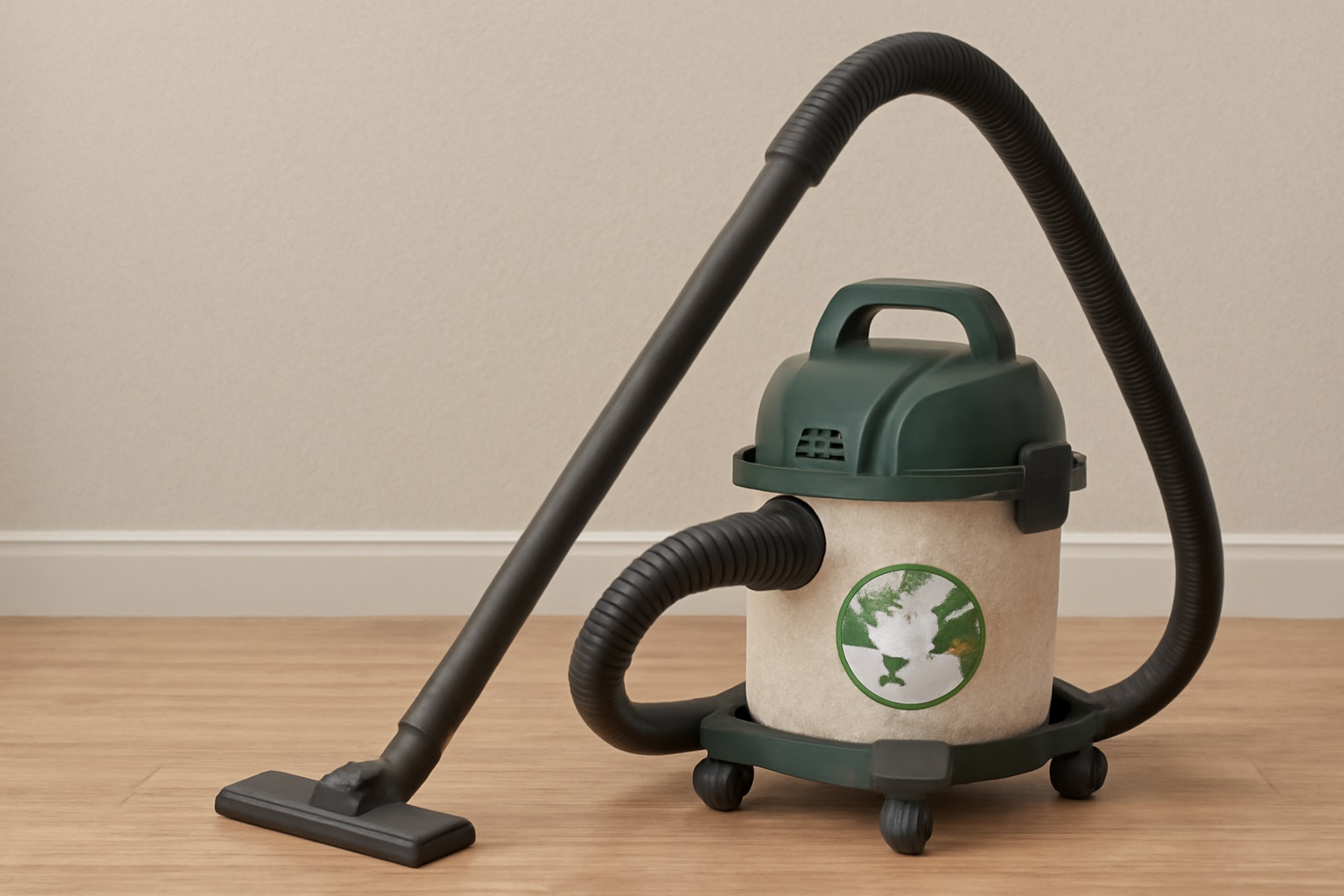
Sustainability has become a core priority for global manufacturers, distributors and procurement specialists. Barrel vacuum cleaners, used for industrial and commercial cleaning applications, have traditionally required large quantities of plastic, metal, energy and packaging. As global environmental expectations rise, leading brands and factories are shifting toward sustainable production.
This guide explains how barrel vacuum manufacturers can lower carbon footprint from raw materials to end-of-life recycling, without sacrificing performance, durability or cost-efficiency.
⭐ 1. Using Eco-Friendly and Recyclable Materials
Material selection plays a crucial role in carbon footprint reduction. Barrel vacuums typically require durable tanks, high-strength housings and impact-resistant components. Replacing conventional materials with eco alternatives greatly reduces carbon emissions.
Recycled Plastic
PCR materials reduce fossil fuel usage and carbon output during molding.
Ideal for components such as housings, connectors and lids.
Recycled Stainless Steel
Barrel tanks made with recycled steel maintain durability while lowering emissions in metal processing.
Plant-Based Bioplastics
Can replace certain non-structural elements such as outer covers or wheels.
Low VOC Structural Adhesives
Reduce air pollution during assembly.
These material upgrades help manufacturers produce sustainable versions of Large-Capacity Wet Dry Vacuum Cleaner and Multi-Functional Durable Vacuum Cleaner models.
⭐ 2. High-Efficiency Motor and Airflow Technology
Reducing operational energy consumption is one of the most impactful ways to lower carbon footprint.
High-Efficiency Brushless Motor
Consumes less electricity while maintaining strong suction.
Reduces heat, improving lifespan and efficiency.
Optimized Airflow Channels
Smooth internal ducts reduce energy loss.
Cyclonic systems maintain stable suction and lower motor strain.
Low-Resistance Filtration
High-performance HEPA filters with lower airflow resistance reduce power requirements for Vacuum Cleaner for Allergies and HEPA Filter Vacuum Cleaner products.
This benefits both the environment and the end user, reducing lifetime carbon emissions.
⭐ 3. Renewable Energy Integration During Production
Sustainable factory operations are essential for lowering the carbon footprint of vacuum manufacturing.
Solar-Powered Production
Injection molding, motor assembly and testing lines can be partially or fully solar powered.
Energy-Efficient Machines
Upgraded molding, welding and stamping machines improve energy efficiency by 20 to 40 percent.
Heat Recovery Systems
Capture waste heat from equipment and reuse it for factory heating or drying processes.
Factories using renewable energy gain a strong competitive advantage in vacuums procurement channels.
⭐ 4. Lightweight and Material-Efficient Structural Design
Weight reduction leads to lower production emissions, transportation savings and reduced resource consumption.
Thin-Wall Injection Molding
Reduces plastic volume without sacrificing strength.
Lightweight Tank Geometry
Optimized curves reduce metal thickness while maintaining structural reliability.
Shared Component Architecture
Allows multiple models to use the same base components, reducing waste and simplifying production.
Lightweight construction is especially effective for Fast Lightweight Vacuum Cleaner and Portable Quiet Vacuum Cleaner categories.
⭐ 5. Low-Carbon Packaging and Green Logistics
Sustainable packaging directly impacts carbon footprint across global vacuum cleaner distribution.
Compact Packaging
Reduces shipping container space and transportation emissions.
Recycled Carton Materials
Biodegradable packaging reduces environmental impact.
Optimized Pallet Layout
Improves warehouse utilization and lowers freight cost.
Localized Component Sourcing
Reduces long-distance transportation and fuel consumption.
Green logistics are essential for eco-ready export markets.
⭐ 6. Extending Product Lifespan Through Modular Engineering
Products with longer service life generate significantly lower lifecycle carbon footprint.
Replaceable Motor Units
Reduce disposal waste and extend barrel vacuum service life.
Modular Tanks and Components
Easy to upgrade or repair without full product replacement.
Durable Construction
Ensures the device remains useful for many years, reducing waste generation.
This approach matches the sustainability expectations of global industrial buyers.
⭐ 7. Circular Economy and End-of-Life Recycling
The final stage of product life is critical for sustainable design.
Clear Material Coding
Allows recyclers to distinguish plastics and metals easily.
Recyclable Tank and Housing Materials
Ensure the product returns to the manufacturing cycle.
Manufacturer Recycling Programs
Encourage customers to return used devices for proper disposal.
Circular solutions establish strong environmental branding for companies like Lanxstar.
⭐ 8. Compliance With Global Environmental Standards
To enter international markets, barrel vacuum cleaners must meet energy and environmental requirements such as:
EU Eco Design
RoHS and REACH
CE and GS
US Energy Efficiency Regulations
Carbon Footprint Certification
Sustainable Packaging Standards
Compliance enhances brand value in vacuum cleaner distribution channels.
⭐ Conclusion
Sustainable manufacturing for barrel vacuum cleaners requires innovation across materials, engineering, production energy, logistics and recycling. By applying the strategies in this guide, manufacturers can produce lower-carbon, high-performance vacuums that align with global sustainability goals.
📌 Target Audience
Vacuum manufacturers
Sustainability engineers
Procurement managers
Vacuum cleaner distributors
Industrial cleaning equipment buyers
OEM and ODM project teams
Global vacuums procurement specialists
Environmental compliance professionals
📌 50 Keyword Groups
High Suction Vacuum Cleaner, Portable Quiet Vacuum Cleaner, Self-Cleaning Vacuum Cleaner, Multi-Functional Durable Vacuum Cleaner, Fast Lightweight Vacuum Cleaner, Energy-Saving Efficient Powerful Vacuum Cleaner, Large-Capacity Wet Dry Vacuum Cleaner, Li-ion Cordless Handheld Vacuum Cleaner, Wet Dry Vacuum Cleaners, 4 in 1 Cordless Smart Wet and Dry Vacuum Cleaner, cordless handheld vacuums, Cordless Vacuum Cleaner, Car Vacuum Cleaner, quiet vacuum cleaner, wet dry vacuum, Portable Vacuum for Travel, HEPA Filter Vacuum Cleaner, Apartment Vacuum Cleaner, Wet and Dry Vacuum Cleaner, Quiet Vacuum for Night Use, Vacuum Cleaner for Pet Hair, Vacuum Cleaner for Allergies, Vacuum for Multi-Surface, Vacuum Cleaner for Hardwood Floors, best affordable vacuum, best budget hoover, good budget vacuum cleaner, best value for money hoover, best budget vacuum, best vacuums on a budget, best vacuum cleaners on a budget, good budget vacuum, Portable Wet Dry Vacuum, Lightweight Cordless Vacuum, Small Apartment Vacuum, Smart Vacuum Cleaner System, Household Wet Dry Vacuum, Lanxstar Vacuum Cleaner, vacuums procurement, vacuum cleaner distribution, industrial wet dry vacuum, compact travel vacuum, rechargeable handheld vacuum, long-runtime cordless vacuum, multi-floor vacuum cleaner, floor cleaning machines, professional-grade vacuum, eco-efficient vacuum cleaner, pet hair handheld vacuum, smart suction control vacuum.