


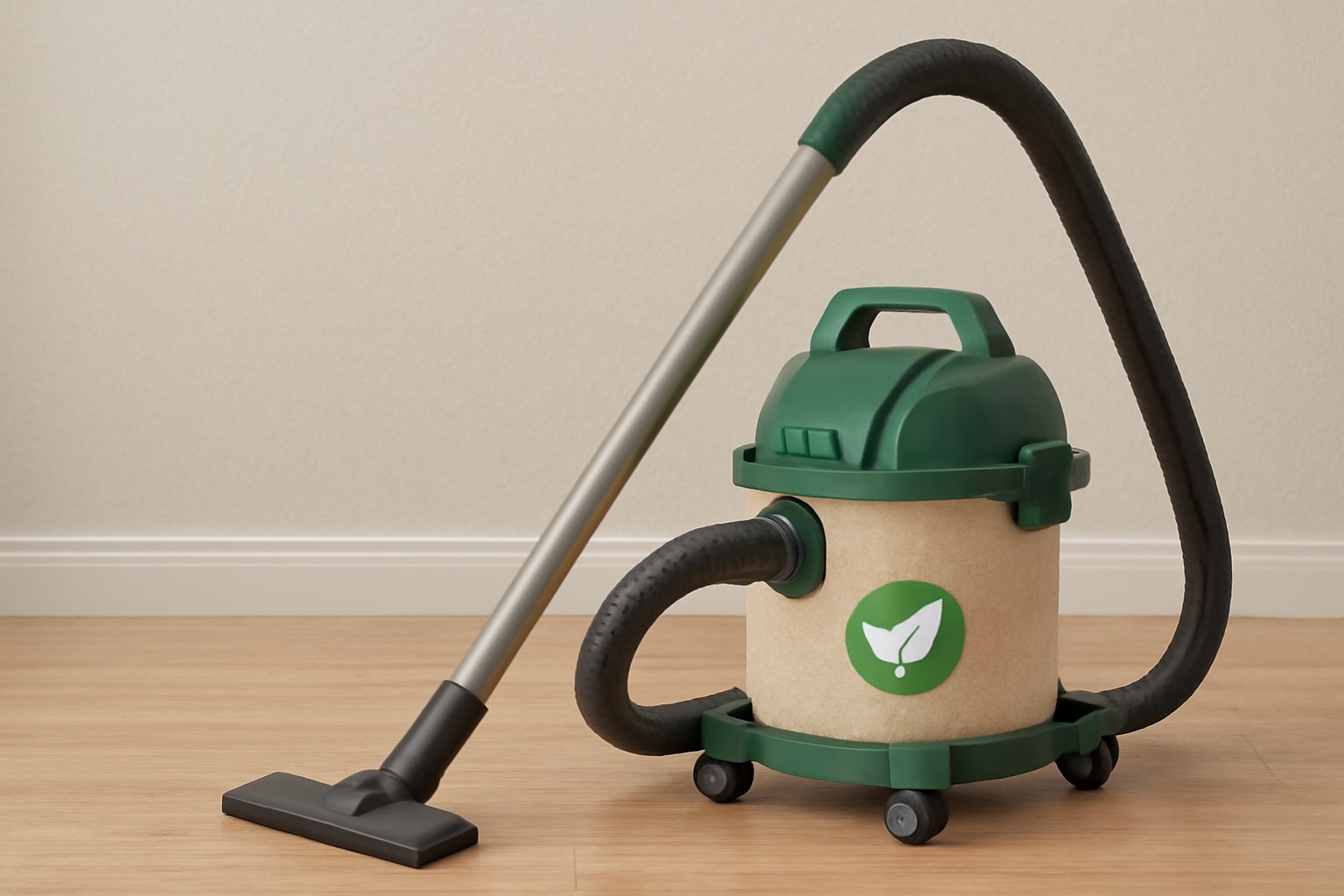
As environmental regulations tighten and global markets shift toward sustainability, manufacturers are being pushed to adopt low-carbon production methods. Barrel vacuum cleaners—widely used in industrial, commercial, and heavy-duty cleaning environments—consume significant materials, energy, and logistics resources during their lifecycle.
For procurement teams, vacuum cleaner distribution partners, and R&D engineers, the question is no longer whether to transition to low-carbon production, but how to implement effective and measurable solutions. This guide offers a complete framework for environmentally responsible manufacturing of barrel vacuums, aligned with modern expectations and global eco-compliance.
⭐ 1. Understanding Low-Carbon Manufacturing in the Vacuum Cleaner Industry
Low-carbon production focuses on reducing emissions in every phase of a product’s life cycle:
Raw material extraction
Component manufacturing
Factory energy consumption
Equipment assembly
Transportation and packaging
End-user energy consumption
End-of-life recycling
A sustainable barrel vacuum must therefore integrate eco-friendly materials, efficient manufacturing operations, energy-saving components, optimized logistics, and recyclability.
Barrel vacuums—a category that includes Wet Dry Vacuum Cleaners, Large-Capacity Wet Dry Vacuum Cleaner units, and Multi-Functional Durable Vacuum Cleaner designs—are especially suitable for low-carbon optimization due to their large body structure and long service cycles.
⭐ 2. Eco-Efficient Motor Systems: The Core of Low-Carbon Vacuums
Motor systems contribute directly to carbon emissions because they define energy consumption during operation. Improving motor efficiency allows manufacturers to produce Energy-Saving Efficient Powerful Vacuum Cleaner models without sacrificing performance.
High-Efficiency Brushless Motors
Up to 30% lower energy use
Reduced heat generation
Longer lifespan
Stable suction levels
This technology benefits categories such as High Suction Vacuum Cleaner and Quiet Vacuum for Night Use models.
Smart Motor Controllers
Integrated chips adapt motor power in real time, preventing unnecessary consumption. This advanced control is especially effective in Self-Cleaning Vacuum Cleaner and Smart Wet Dry systems.
⭐ 3. Low-Carbon Materials and Sustainable Component Selection
Material selection defines both manufacturing emissions and recyclability. Sustainable options include:
Recycled Plastics (PCR)
Eco-friendly alternatives for:
Barrels
Handles
Hose connectors
Dust bins
PCR reduces fossil fuel dependency by up to 70%.
Lightweight Structure Optimization
Lower weight reduces:
Transportation emissions
Material usage
Operational energy
Lightweight design enhances portability, supporting segments like Portable Quiet Vacuum Cleaner and Fast Lightweight Vacuum Cleaner categories.
High-Efficiency HEPA & Synthetic Filters
Low-resistance HEPA filters reduce motor strain and improve air quality, benefiting HEPA Filter Vacuum Cleaner units and Vacuum Cleaner for Allergies.
⭐ 4. Energy-Efficient Manufacturing Processes
Manufacturing plants significantly influence carbon emissions. Barrel vacuum factories can adopt:
Renewable Energy Integration
Solar and wind systems can power assembly lines and injection-molding processes.
Energy-Efficient Machinery
Upgrading molding machines, motor winding equipment, and metal processing tools improves efficiency by 20–40%.
Smart Factory Automation
Digitized manufacturing systems reduce waste and improve consistency.
Heat Recovery Systems
Reusing waste heat from machinery lowers overall energy needs.
These practices support sustainable production across vacuums procurement supply chains.
⭐ 5. Green Supply Chain & Logistics Optimization
Optimizing the supply chain reduces emissions during transport and distribution.
Localized Material Sourcing
Less long-distance transportation equals fewer emissions.
Compact Packaging Engineering
Reduced packaging size benefits:
Warehouse capacity
Shipping efficiency
Container loading optimization
This is essential for Large-Capacity Wet Dry Vacuum Cleaner shipments.
Lightweight Shipping Materials
Switching from wood to recycled corrugated materials reduces emissions and cost.
⭐ 6. Eco-Friendly Production of Wet Dry Barrel Vacuums
Barrel vacuums used for wet–dry operations have unique green design challenges:
Water-Dust Separation Efficiency
Efficient internal design allows motors to run with less load.
Stainless Steel Optimized Tank Geometry
Reduces airflow turbulence and energy usage.
Reusable Tank Filters
Minimize waste and extend product lifespan.
Low-VOC Sealing Materials
Reduce harmful emissions during assembly.
⭐ 7. Low-Carbon Product Design for End-User Energy Reduction
Operational energy consumption represents a major part of lifetime carbon footprint.
High Suction with Low Wattage
Using aerodynamic airflow paths, vacuums can achieve strong suction at lower wattage.
Variable-Speed Suction Controls
Allow users to choose optimal power settings.
Smart Sleep Modes
Automatically reduce power during idle states.
These energy-saving design strategies directly support Apartment Vacuum Cleaner, Vacuum Cleaner for Pet Hair, and Vacuum Cleaner for Hardwood Floors categories.
⭐ 8. Circular Economy & End-of-Life Recycling Solutions
Low-carbon production requires long-term planning for recycling and reuse.
Modular Component Design
Motors, filters, and tanks can be replaced individually, extending product life.
Recyclable Plastics & Metals
Clear material coding enables efficient recycling.
Repair-Friendly Construction
Reduces landfill waste by promoting maintenance over replacement.
⭐ 9. Low-Carbon Compliance for International Export Markets
Barrel vacuum manufacturers aiming for global distribution must comply with standards like:
EU Eco Design
CE/CB/GS energy requirements
RoHS & REACH
US DOE energy standards
UK Ecodesign Regulations
ISO 14067 Carbon Footprint Standards
Compliance increases the value of vacuum cleaner distribution globally, especially among sustainable retailers.
⭐ 10. The Future of Low-Carbon Barrel Vacuum Production
Trends shaping the next generation of eco-friendly vacuums include:
AI-powered energy management
Fully recyclable vacuum structures
Carbon-neutral factories
Recycled metal tanks
Smart IoT-connected diagnostics
Thin-wall lightweight injection molding
Modular assembly reducing production waste
Brands like Lanxstar are incorporating many of these technologies to support environmentally conscious global markets.
⭐ Conclusion
Low-carbon production for barrel vacuum cleaners is not merely an environmental requirement—it is a global competitive advantage. By integrating sustainable materials, efficient motors, optimized factory systems, and recyclable designs, manufacturers can create powerful, durable, and eco-friendly vacuum solutions aligned with modern environmental goals.
📌 Target Audience
Vacuum cleaner manufacturers
Barrel vacuum engineers
OEM/ODM procurement managers
Sustainability consultants
Vacuum cleaner distributors and wholesalers
Industrial cleaning equipment buyers
Appliance R&D teams
Global vacuums procurement specialists
📌 50 Keyword Groups
High Suction Vacuum Cleaner, Portable Quiet Vacuum Cleaner, Self-Cleaning Vacuum Cleaner, Multi-Functional Durable Vacuum Cleaner, Fast Lightweight Vacuum Cleaner, Energy-Saving Efficient Powerful Vacuum Cleaner, Large-Capacity Wet Dry Vacuum Cleaner, Li-ion Cordless Handheld Vacuum Cleaner, Wet Dry Vacuum Cleaners, 4 in 1 Cordless Smart Wet & Dry Vacuum Cleaner, cordless handheld vacuums, Cordless Vacuum Cleaner, Car Vacuum Cleaner, quiet vacuum cleaner, wet dry vacuum, Portable Vacuum for Travel, HEPA Filter Vacuum Cleaner, Apartment Vacuum Cleaner, Wet and Dry Vacuum Cleaner, Quiet Vacuum for Night Use, Vacuum Cleaner for Pet Hair, Vacuum Cleaner for Allergies, Vacuum for Multi-Surface, Vacuum Cleaner for Hardwood Floors, best affordable vacuum, best budget hoover, good budget vacuum cleaner, best value for money hoover, best budget vacuum, best vacuums on a budget, best vacuum cleaners on a budget, good budget vacuum, Portable Wet Dry Vacuum, Lightweight Cordless Vacuum, Small Apartment Vacuum, Smart Vacuum Cleaner System, Household Wet Dry Vacuum, Lanxstar Vacuum Cleaner, vacuums procurement, vacuum cleaner distribution, industrial wet dry vacuum, compact travel vacuum, rechargeable handheld vacuum, long-runtime cordless vacuum, multi-floor vacuum cleaner, floor cleaning machines, professional-grade vacuum, eco-efficient vacuum cleaner, pet hair handheld vacuum, smart suction control vacuum.