


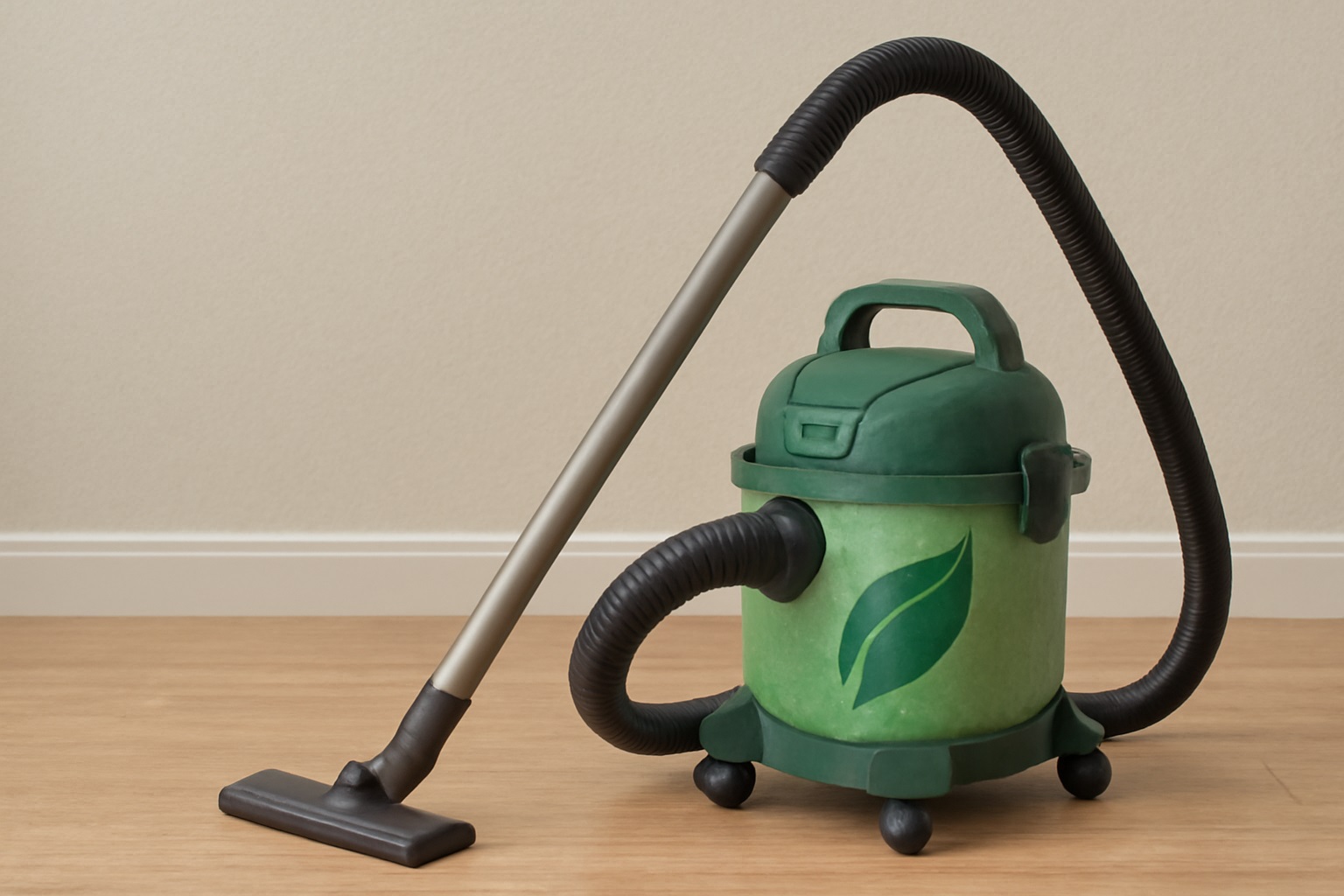
 Sustainability in vacuum cleaner manufacturing is shifting from a single design concern to a full lifecycle responsibility. As environmental expectations rise across global markets, barrel vacuum cleaner manufacturers must take action to reduce carbon emissions from raw materials, factory processes, logistics, consumer usage and end-of-life recycling.
Barrel vacuums, including Large-Capacity Wet Dry Vacuum Cleaner and Multi-Functional Durable Vacuum Cleaner models, have large structural components and high-power systems, making them ideal for sustainability optimization.
This guide outlines how to build greener barrel vacuum cleaners at every stage, delivering environmentally responsible products that meet global procurement and distribution standards.
⭐ 1. Greener Raw Material Sourcing
Material selection forms the foundation of a sustainable barrel vacuum cleaner.
Recycled Plastics
Reduce emissions in molding and support durable outer shells.
Recycled Stainless Steel
Ideal for barrel tanks requiring corrosion resistance and strength.
Low-Carbon Aluminum
Lightweight frame components help reduce transport emissions.
Eco Rubber and Silicone
Used for gaskets, wheels, water seals and connection parts.
Plant-Based Materials
Help replace selected non-structural components.
These materials support sustainability goals for products such as Cordless Vacuum Cleaner, Portable Quiet Vacuum Cleaner and Industrial Wet Dry Vacuum.
⭐ 2. Renewable-Powered Manufacturing
Production is one of the largest contributors to a vacuum cleaner’s total carbon footprint.
Solar-Powered Injection Molding
Reduces energy demand during plastic part creation.
Renewable-Powered Motor Assembly
Ensures energy-efficient manufacturing of high-performance motors.
Green Factory Automation
Reduces machine idle time and improves assembly precision.
Heat Recovery Integration
Reuses thermal waste from molding, welding or motor production.
These approaches support cleaner vacuums procurement and environmentally compliant export production.
⭐ 3. Low-Energy Assembly Lines
Energy-saving assembly is critical to greener production.
High-Efficiency Assembly Motors
Reduces electricity use on conveyor belts and assembly tools.
Smart Torque-Control Screwdrivers
Minimize excessive motor load and improve assembly accuracy.
Multi-Product Shared Lines
Decrease machine setup energy and reduce downtime.
Material Handling Optimization
Shorter movement paths reduce forklift and robot power usage.
These improvements help create more energy-efficient units such as Energy-Saving Efficient Powerful Vacuum Cleaner models.
⭐ 4. Lightweight Structural Engineering
A lighter product reduces carbon emissions from manufacturing, distribution and user operation.
Thin-Wall Injection Panels
Reduce plastic mass while maintaining durability.
Lightweight Tank Geometry
Optimized curves for strength and reduced metal volume.
Reinforced Composite Parts
Maintain impact resistance while lowering overall weight.
Motor Weight Reduction
High-efficiency motors are lighter and more energy-efficient.
Lightweight designs improve sustainability for Portable Wet Dry Vacuum and Small Apartment Vacuum products.
⭐ 5. Smart Logistics and Green Distribution
A greener vacuum must also be transported sustainably.
Compact Packaging
Allows more units per container and reduces shipping emissions.
Biodegradable Protective Materials
Replaces foam with recyclable padding.
Optimized Pallet Layout
Increases loading efficiency for global shipments.
Regional Micro Warehousing
Reduces long-haul transport routes for vacuum cleaner distribution.
These logistics improvements benefit retailers and international procurement teams.
⭐ 6. Energy-Efficient Product Usage at Home
Sustainable design must continue into the consumer’s daily use.
High Suction at Low Wattage
Efficient airflow and brushless motors reduce household energy consumption.
Auto Eco Mode
Reduces power when cleaning low-dust environments.
Low-Resistance HEPA Filters
Reduce motor strain while maintaining filtration performance.
Durable Engineering
Extends service life and reduces end-of-life waste generation.
Consumers using Household Wet Dry Vacuum or HEPA Filter Vacuum Cleaner units benefit directly from these innovations.
⭐ 7. Extended Lifespan Through Repairable and Modular Designs
Longer lifespan equals lower carbon footprint.
Replaceable Motor Modules
Allow cost-effective repairs.
Upgradable Components
Handle extensions, hoses, tanks and accessories can be replaced individually.
Modular Internal Systems
Reduce waste generation and simplify maintenance.
Reinforced Wear Components
Supports long-term use in industrial environments.
Modular engineering helps professional buyers maintain vacuum performance for many years.
⭐ 8. Circular Recycling and End-of-Life Sustainability
The final stage is essential for green product design.
Clear Material Identification
Supports more efficient recycling.
Recyclable Metal and Plastic Tanks
Return valuable resources back into the production loop.
Manufacturer Recycling Programs
Encourage customers to return used models for responsible disposal.
Recycled Component Integration
Recovered materials reduce new production emissions.
These recycling strategies strengthen sustainability credentials for brands such as Lanxstar.
⭐ Conclusion
Greener barrel vacuum production requires a full lifecycle approach from raw materials and manufacturing energy to logistics, product engineering and recycling. Manufacturers adopting these strategies can reduce carbon footprint, improve energy efficiency and meet increasing global sustainability demands for industrial and household vacuum cleaners.
📌 Target Audience
Vacuum cleaner manufacturers
Sustainability and environmental engineers
Global procurement teams
Industrial cleaning equipment buyers
Vacuum cleaner distributors
OEM and ODM project managers
Component suppliers
Eco-compliance specialists
📌 50 Keyword Groups
High Suction Vacuum Cleaner, Portable Quiet Vacuum Cleaner, Self-Cleaning Vacuum Cleaner, Multi-Functional Durable Vacuum Cleaner, Fast Lightweight Vacuum Cleaner, Energy-Saving Efficient Powerful Vacuum Cleaner, Large-Capacity Wet Dry Vacuum Cleaner, Li-ion Cordless Handheld Vacuum Cleaner, Wet Dry Vacuum Cleaners, 4 in 1 Cordless Smart Wet and Dry Vacuum Cleaner, cordless handheld vacuums, Cordless Vacuum Cleaner, Car Vacuum Cleaner, quiet vacuum cleaner, wet dry vacuum, Portable Vacuum for Travel, HEPA Filter Vacuum Cleaner, Apartment Vacuum Cleaner, Wet and Dry Vacuum Cleaner, Quiet Vacuum for Night Use, Vacuum Cleaner for Pet Hair, Vacuum Cleaner for Allergies, Vacuum for Multi-Surface, Vacuum Cleaner for Hardwood Floors, best affordable vacuum, best budget hoover, good budget vacuum cleaner, best value for money hoover, best budget vacuum, best vacuums on a budget, best vacuum cleaners on a budget, good budget vacuum, Portable Wet Dry Vacuum, Lightweight Cordless Vacuum, Small Apartment Vacuum, Smart Vacuum Cleaner System, Household Wet Dry Vacuum, Lanxstar Vacuum Cleaner, vacuums procurement, vacuum cleaner distribution, industrial wet dry vacuum, compact travel vacuum, rechargeable handheld vacuum, long-runtime cordless vacuum, multi-floor vacuum cleaner, floor cleaning machines, professional-grade vacuum, eco-efficient vacuum cleaner, pet hair handheld vacuum, smart suction control vacuum.