Hi, message us with any questions.
We're happy to help!





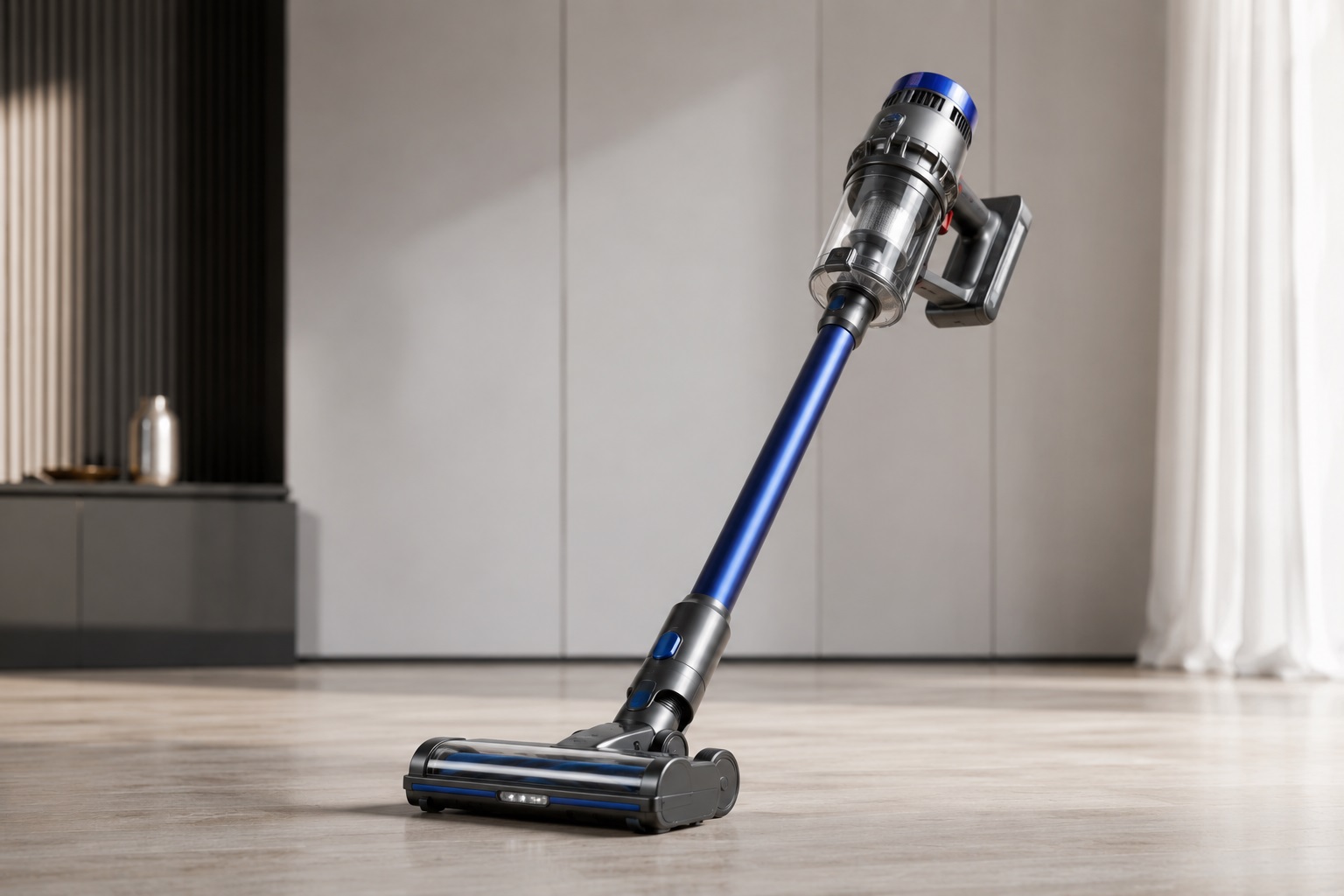
The global cleaning appliance industry is evolving rapidly. Rising pet ownership, increasing health awareness, smart home adoption, and the demand for cordless convenience have created significant opportunities for entrepreneurs and distributors looking to establish a profitable vacuum cleaner brand.
The good news is that building a successful brand no longer requires owning a manufacturing facility.
Today, companies can partner with an experienced OEM vacuum manufacturer, leverage existing production capabilities, and focus on what truly creates value: branding, customer experience, market positioning, and growth.
This guide provides a practical roadmap for entrepreneurs, distributors, and private-label businesses looking to build vacuum brand successfully in today's competitive marketplace.
📊 Understanding the Market Opportunity
Before launching a brand, it is important to understand why the vacuum cleaner industry remains attractive.
Several long-term trends continue to drive market growth:
Smart Home Adoption
Consumers increasingly expect intelligent cleaning solutions.
Features such as:
App control
Smart sensors
Voice assistant integration
Automated cleaning modes
are becoming mainstream.
Pet Ownership Growth
Pet owners often purchase vacuum cleaners more frequently than average households due to ongoing cleaning needs.
Health and Allergy Awareness
Consumers are paying greater attention to:
Indoor air quality
Dust reduction
HEPA filtration systems
Cordless Technology Innovation
Cordless products continue to gain market share due to convenience and improved battery performance.
These trends create opportunities for new brands to enter the market with focused positioning rather than competing directly with global giants.
🚀 The 5 Stages of Building a Vacuum Cleaner Brand
Many entrepreneurs assume branding begins with a logo.
In reality, successful brands follow a structured growth process.
Stage 1: Product Selection
Choose a product category with strong demand.
Examples:
Cordless stick vacuum
Pet vacuum cleaner
Handheld vacuum
Wet and dry vacuum
Smart vacuum cleaner
The goal is not to offer everything.
The goal is to solve a specific problem better than competitors.
Stage 2: Private Label Launch
Partner with a reliable OEM vacuum manufacturer and launch a private label vacuum product.
Focus on:
Product quality
Packaging
User experience
Brand identity
At this stage, speed matters more than perfection.
Stage 3: Market Validation
Test demand through:
Amazon
Shopify
Retail partnerships
Online marketplaces
Gather customer feedback and identify opportunities for improvement.
Stage 4: Product Expansion
Introduce:
Additional accessories
Improved versions
Complementary cleaning products
This stage increases customer lifetime value.
Stage 5: Premium Brand Development
Successful brands eventually move beyond private labeling.
They invest in:
Product innovation
Patents
Community building
Premium positioning
This creates long-term competitive advantages.
💰 How Much Does It Cost to Build a Vacuum Cleaner Brand?
One of the most common questions entrepreneurs ask is:
"How much capital do I need?"
While costs vary by market and product complexity, a typical startup budget may look like this:
| Item | Estimated Cost |
|---|---|
| Product Sampling | $500-$3,000 |
| Packaging Design | $1,000-$5,000 |
| Initial Inventory | $15,000-$50,000 |
| Product Certifications | $2,000-$10,000 |
| Website Development | $1,000-$5,000 |
| Marketing Launch | $5,000-$30,000 |
| Photography & Content | $1,000-$8,000 |
Typical Investment Range
$25,000–$100,000+
Many successful brands begin with a single product and scale gradually based on market feedback.
🎯 Building a Winning Vacuum Branding Strategy
A strong vacuum branding strategy starts with positioning.
Ask yourself:
Who is our target customer?
What problem do we solve?
Why are we different?
Why should customers trust us?
Example Positioning
Weak:
"High-quality vacuum cleaners for everyone."
Strong:
"Cordless vacuum cleaners specifically designed for pet owners living in apartments."
Specific positioning makes marketing easier and improves conversion rates.
🏭 Why Choosing the Right OEM Vacuum Manufacturer Matters
Many startups spend months designing logos and websites while overlooking the most important factor:
Manufacturing.
Product quality ultimately determines:
Reviews
Return rates
Customer satisfaction
Brand reputation
A professional OEM vacuum manufacturer can provide:
Stable production capacity
Quality control systems
Product customization
Engineering support
Compliance assistance
The right supplier becomes a strategic partner in your brand's growth.
📋 8 Questions to Ask Any OEM Vacuum Manufacturer
Before choosing a supplier, ask:
What is your annual production capacity?
Which international certifications do you support?
Can you provide OEM and ODM services?
What is your average defect rate?
What quality control systems are in place?
Do you have an internal R&D team?
Can you support future product upgrades?
What is your typical lead time?
These questions often reveal more than pricing discussions.
📦 Success Case Study #1: Amazon Private Label Brand
A North American entrepreneur entered the market with a private label vacuum focused on pet owners.
Instead of competing against large brands on price, the company focused on:
Pet hair performance
Specialized attachments
Pet-focused packaging
Results
After 12 months:
18,000+ units sold
Product rating above 4.5 stars
Repeat purchases through accessories
Key Lesson
Winning a niche market is often easier than competing in a broad market.
📈 Success Case Study #2: Distributor Becomes a Brand Owner
A European distributor had spent years reselling third-party products.
Margins remained low.
The company partnered with an OEM vacuum manufacturer and launched its own branded line.
Results
Gross margin increased by 32%
Stronger retailer relationships
Better pricing control
Higher customer loyalty
Key Lesson
Owning the brand creates more value than selling someone else's brand.
⚠️ Failure Case Study: Why a Startup Lost Its Investment
Not every vacuum cleaner brand succeeds.
A startup sourced the cheapest available cordless vacuum cleaner from an unknown supplier.
The company focused heavily on:
Low pricing
Aggressive advertising
However, it neglected:
Product quality
Customer service
Brand positioning
Results
Return rate exceeded 35%
Negative customer reviews
Inventory backlog
Advertising costs increased dramatically
The business eventually exited the market.
Key Lesson
A successful vacuum cleaner brand is not simply a product.
It is a complete customer experience system.
🛡️ Building a Competitive Moat
Many competitors can copy a product.
Few can copy an ecosystem.
The strongest brands build long-term advantages through:
Product Ecosystems
Accessories and complementary products.
Consumables
Replacement filters and spare parts.
Extended Warranties
Increased customer trust.
Community Building
Social media engagement and customer loyalty programs.
Educational Content
Cleaning guides, maintenance tutorials, and product education.
The goal is to create switching costs that keep customers engaged.
🔧 Using Custom Vacuum Cleaner Development to Differentiate
Many entrepreneurs assume customization requires developing a completely new machine.
Not necessarily.
A custom vacuum cleaner project can include:
Exclusive colors
New accessories
Improved filtration
Custom packaging
Enhanced battery options
Even small improvements can create significant differentiation in the marketplace.
🌍 Future Trends Shaping Vacuum Cleaner Brands
Several trends are expected to influence the industry over the next decade.
AI-Powered Cleaning
Smart navigation and intelligent cleaning modes.
Sustainable Products
Consumers increasingly value:
Eco-friendly materials
Energy efficiency
Recyclable packaging
Premium Filtration
Growing demand for advanced HEPA systems.
Subscription Revenue Models
Brands are generating recurring revenue through:
Filter replacement programs
Accessory subscriptions
Extended warranty services
The future belongs to brands that build customer ecosystems rather than selling one-time products.
🤝 Why Your Manufacturing Partner Determines Brand Success
Many entrepreneurs focus on logos, websites, and advertising campaigns.
However, long-term success depends heavily on product consistency, quality control, and supply chain reliability.
An experienced OEM vacuum manufacturer can help businesses:
Reduce sourcing risks
Accelerate product launches
Improve product quality
Scale production efficiently
Support long-term innovation
Choosing the right manufacturing partner may be the single most important decision in building a successful vacuum cleaner brand.
✅ Conclusion
Building a successful vacuum cleaner brand requires far more than simply placing a logo on an existing product.
The most successful brands combine strong positioning, effective vacuum branding strategy, reliable manufacturing partnerships, and continuous innovation.
Whether you are launching your first private label vacuum product or expanding an existing business, the path to sustainable growth lies in creating customer value, building brand trust, and partnering with the right OEM vacuum manufacturer.
The companies that dominate the next decade will not necessarily own the biggest factories.
They will own the strongest customer relationships.
📌 Suitable Audience
Vacuum Cleaner Industry Entrepreneurs
Private Label Brand Owners
Amazon Sellers
E-commerce Entrepreneurs
Home Appliance Startups
Vacuum Cleaner Distributors
Retail Buyers
Product Development Managers
Appliance Investors
Brand Strategy Consultants
📌 Hashtags
Vacuum Cleaner Brand, Build Vacuum Brand, OEM Vacuum Manufacturer, Private Label Vacuum, Vacuum Branding Strategy, Custom Vacuum Cleaner, Vacuum Cleaner OEM, Vacuum Cleaner ODM, Private Label Appliance Brand, Cordless Vacuum Brand, Vacuum Cleaner Startup, Home Appliance Branding, Vacuum Cleaner Business, Vacuum Cleaner Product Development, Vacuum Cleaner Customization, Vacuum Cleaner Marketing, Vacuum Cleaner Distribution, Vacuum Cleaner E-commerce, Vacuum Cleaner Retail Strategy, Vacuum Cleaner Brand Positioning, Smart Vacuum Brand, HEPA Vacuum Solutions, Vacuum Cleaner Innovation, Vacuum Cleaner Manufacturing, Vacuum Cleaner Entrepreneur, Private Label Home Appliances, Appliance Brand Growth, Vacuum Cleaner Market Trends, Vacuum Cleaner Supplier, Vacuum Cleaner Exporter, Vacuum Cleaner Industry, Consumer Appliance Branding, Vacuum Cleaner Product Launch, Vacuum Cleaner Sales Strategy, Vacuum Cleaner Customer Experience, Vacuum Cleaner Packaging Design, Vacuum Cleaner Brand Building, Vacuum Cleaner Competitive Advantage, Vacuum Cleaner Market Expansion, Vacuum Cleaner Business Growth, Vacuum Cleaner Product Strategy, Vacuum Cleaner Procurement, Vacuum Cleaner Retail Distribution, Vacuum Cleaner Engineering, Vacuum Cleaner Technology, Home Cleaning Solutions, Appliance Industry Insights, Vacuum Cleaner Branding Expert, Lanxstar, Vacuum Cleaner Growth Strategy